It’s Women’s Health Week! From 7-13 September, we’re sharing stories and information to better support women with bleeding disorders on their health journey.
This year’s theme, ‘Do it anyway’ is all about the small steps we can take towards improving our health – even when life feels busy, messy or imperfect.
This week we’re also excited to launch a brand new series of videos – ‘Woman Talk’. These videos feature women and girls with bleeding disorders sharing their experiences and advice for other women.

To talk
Talking about something is the first step to increasing understanding. Sharing stories, experiences, advice – it can help us relate to others, feel more connected, and supported.
Lauren, Bel, Shauna, Debbie and Sal talk about what they wish they’d been able to tell their younger selves, and speaking up when your concerns are dismissed.


Dawn Rotellini, COO, US National Bleeding Disorders Foundation (NBDF) shares her experience being diagnosed as a symptomatic haemophilia carrier at the age of 59, how this led her to become an advocate for other women and girls with bleeding disorders, and her tips for other women when advocating for themselves.
In Dawn’s video, she talks about having a ‘help me help you help me’ attitude. But what tools and resources can help you help others to help you?
Earlier this year we conducted the Women Bleed Too survey, asking Australian women and girls with bleeding disorders about their experiences speaking up in healthcare settings, and what tools & resources can help.

While there were some positive experiences, many women described a number of barriers that impacted their access to appropriate treatment and care. Doctors who didn’t know about bleeding disorders. Not being believed in emergency situations. Many felt their experiences of bleeding or complications were dismissed or that the doctors were too busy to listen.
What works for them? They described and rated the strategies and resources that helped them to advocate for themselves in health care settings. HFA and the Women and girls Advisory Group are working on ways to support self-advocacy. For a full overview of the survey results – and an idea of what’s next – read the report in National Haemophilia.
To fuel
Can a bleeding disorder affect your dietary needs? What about for women and girls with heavy menstrual bleeding? Michael Wilson, a dietitian working at the Royal Brisbane and Women’s Hospital, shared this advice:
“Women with bleeding disorders are particularly high risk of heavy menstrual bleeding. So, in these cases doctors should really be checking the iron and looking at supplementation or iron infusion if needed.” – Michael
To move

Staying active when you have a bleeding disorder is vital to healthy living. But everyone’s different and it’s important to find something that suits you and you enjoy. We spoke to young Aussie women with bleeding disorders, and they had this to say:
“There is no one size fits all. I keep active and try new things to find what works for me. Having the freedom to take these challenges on has helped me into adulthood and developed my confidence in all areas of life.”
To rest
If you care for someone, you’ll know that there’s rarely time in the day for self-care in the multiple commitments that being a carer brings.
“Do you find yourself irritable, a bit short with people easily upset, regularly frustrated, someties tearful, tired, unable to enjoy life like you used to? You may be needing to do some deliberate self-care.”
Kathryn Body shares her advice for how you can set aside time to take care of yourself, and some suggestions for how you can go about it.
To breathe
Resilience is a bit like a battery – stressful experiences drain it, while self-care helps to recharge it. In the below images, we explore the ways you can recharge your battery, from exercise and eating well, to taking the time to book that health check up or joining a support group.


To connect
How can we better support women and girls with bleeding disorders to feel connected and part of the community?
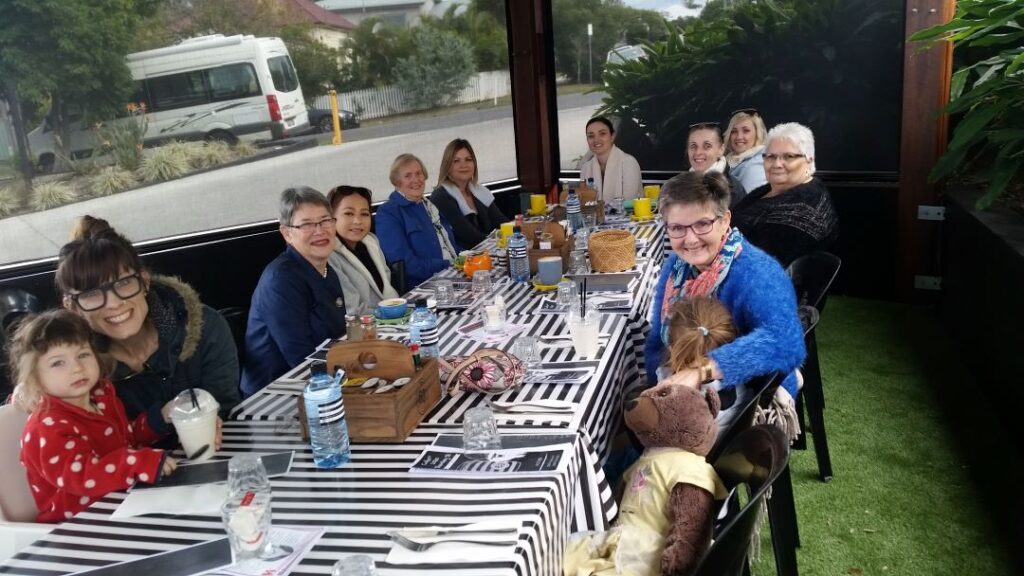
“We just called it ‘women’s brunch’ to keep it simple and informal”
Lauren, Haemophilia Foundation Queensland (HFQ) Manager and a woman with a bleeding disorder, shares how she has been part of a thriving community where women and girls feel seen and supported.